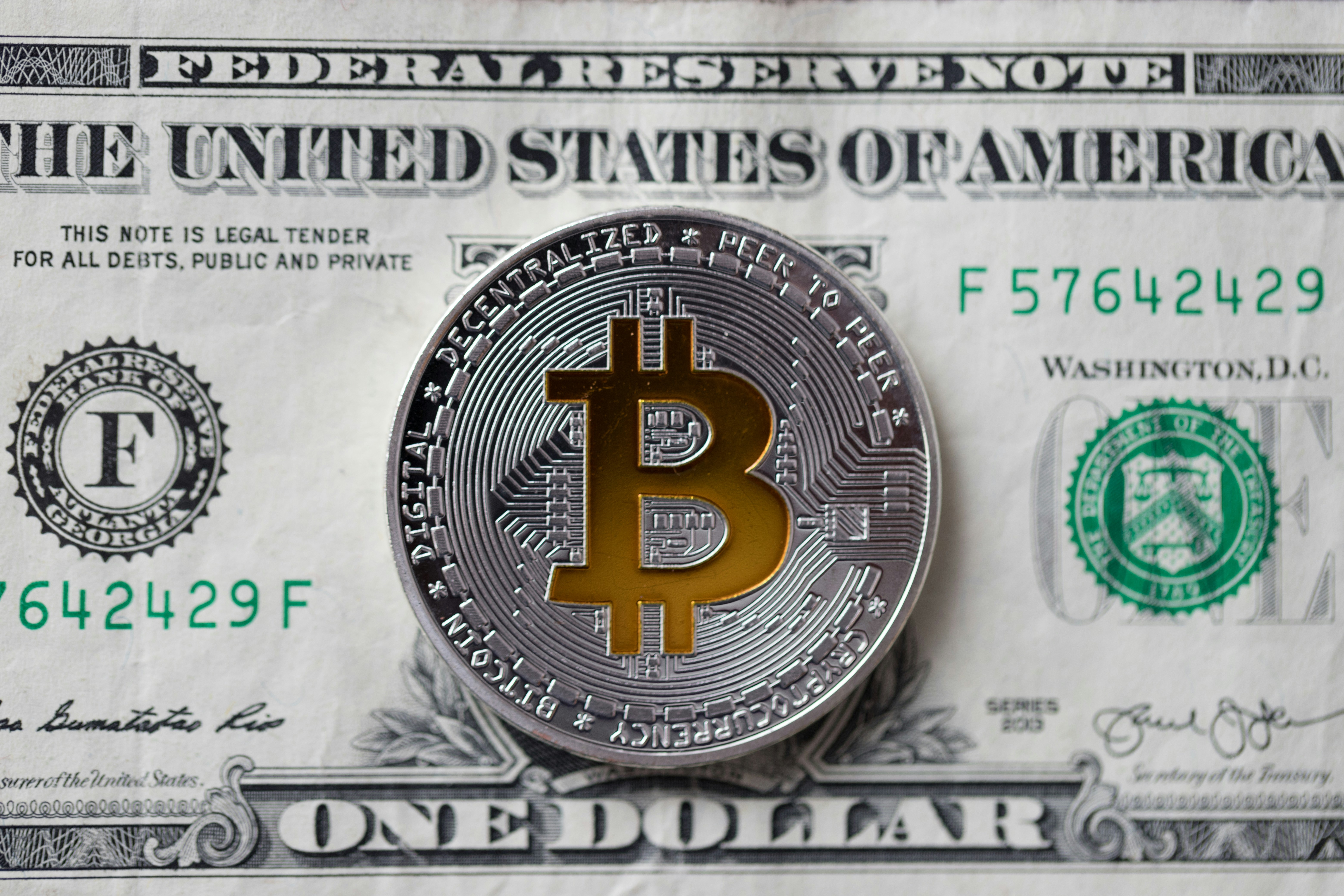
Economic Instability in 2026: Why Cryptocurrency Remains at the Center of the Financial Conversation

Economic Instability in 2026: Why Cryptocurrency Remains at the Center of the Financial Conversation
Global financial markets have entered another period of uncertainty. Investors, institutions, and policymakers are navigating a complex landscape characterized by persistent inflation concerns, shifting interest rate expectations, geopolitical tensions, regulatory developments, and changing investor sentiment. While traditional markets continue to search for direction, the cryptocurrency sector remains both a reflection of and a response to broader economic instability.
A Fragile Global Economy
Despite signs of resilience in certain regions, economists continue to warn that global growth is slowing. International organizations project lower economic expansion rates compared to historical averages, with trade tensions, fiscal pressures, and declining investment activity creating headwinds for many economies. At the same time, central banks remain cautious as inflation risks and labor market strength complicate future monetary policy decisions.
This environment has left investors searching for assets that can either preserve value or provide growth opportunities outside traditional financial systems.

Cryptocurrency's Evolving Role
In previous years, cryptocurrencies were often viewed primarily as speculative assets. Today, that narrative is changing.
Bitcoin, in particular, has increasingly become a macroeconomic asset whose price movements are influenced by interest rates, liquidity conditions, institutional capital flows, and global risk sentiment. Major industry research suggests that the market is entering a more mature phase, with institutional participation becoming a dominant force in price discovery.
The rise of exchange-traded funds (ETFs), corporate treasury allocations, and sovereign-level interest in digital assets has transformed cryptocurrency from a niche investment into a recognized component of the global financial ecosystem.
Why Volatility Remains High
Although adoption continues to grow, cryptocurrency markets remain highly sensitive to economic uncertainty.
Several factors contribute to ongoing volatility:
- Central bank policy decisions
- Inflation expectations
- Regulatory developments
- ETF inflows and outflows
- Geopolitical events
- Liquidity conditions in global markets
Recent market analysis shows that policy uncertainty and concerns surrounding economic growth continue to influence Bitcoin and broader crypto valuations. Changes in investor confidence can quickly trigger significant price movements across the sector.
Research also suggests that Bitcoin reacts strongly to central bank communication, often responding to expectations before actual policy changes occur. This highlights how closely integrated cryptocurrency has become with traditional financial markets.

The Regulatory Question
Regulation remains one of the most significant variables shaping the future of digital assets.
Governments worldwide are working to establish frameworks that balance innovation with investor protection. Recent regulatory initiatives in major financial centers demonstrate a growing effort to bring cryptocurrencies under more formal oversight. While these measures may reduce certain risks, they also introduce new compliance requirements and operational challenges for market participants.
For investors, regulatory clarity is generally viewed as a long-term positive development. Clear rules can encourage institutional participation, improve transparency, and strengthen market infrastructure.

Institutional Adoption Continues Despite Market Headwinds
One of the most notable developments of recent years is the continued involvement of institutional investors during periods of market weakness.
Large asset managers, corporations, sovereign wealth funds, and investment firms continue exploring digital asset exposure as part of diversified portfolio strategies. Industry reports indicate that institutional demand remains a key driver of the cryptocurrency market's long-term trajectory.
This trend suggests that many professional investors increasingly view digital assets as a permanent asset class rather than a temporary market phenomenon.
Looking Ahead
The relationship between economic instability and cryptocurrency is likely to strengthen in the years ahead.
As traditional markets face challenges ranging from inflation and debt concerns to technological disruption and geopolitical uncertainty, cryptocurrencies offer an alternative financial ecosystem that continues to evolve and mature.
However, investors should recognize that digital assets remain inherently volatile. While long-term adoption trends appear constructive, short-term market movements will continue to be influenced by macroeconomic developments, regulatory decisions, and shifts in investor sentiment.
The current environment serves as a reminder that cryptocurrency is no longer operating on the fringes of finance. Instead, it has become deeply intertwined with the broader global economy. As economic uncertainty persists, the crypto market will remain one of the most closely watched indicators of investor confidence, innovation, and the future direction of global finance.